

Diagnosing PBA
Ask the right question to diagnose PBA1
Knowing what to ask your patients is important for reaching an accurate diagnosis. Start the conversation1
Actor portrayals.
Three steps to help assess for PBA
Pseudobulbar Affect (PBA) can only be diagnosed following a complete assessment by a qualified healthcare provider.

Ask a simple question like this one1:
“Do you ever cry or laugh but it feels odd because you’re not actually sad or amused?”

Differentiate between PBA and depression2-4

Document your confirmed diagnosis with ICD-10 code F48.25*
*ICD-10 diagnosis codes are provided for informational purposes only and do not guarantee that billing codes will be appropriate or that coverage and reimbursement will result. Providers should consult with their payers for all relevant coverage, coding, and reimbursement requirements. It is the sole responsibility of the provider to select proper codes and ensure the accuracy of all claims used in seeking reimbursement. This resource is not intended as legal advice or as a substitute for a provider’s independent professional judgment.
What is it like to experience a PBA episode?
View examples of patients experiencing crying and laughing episodes.
PBA episodes may:
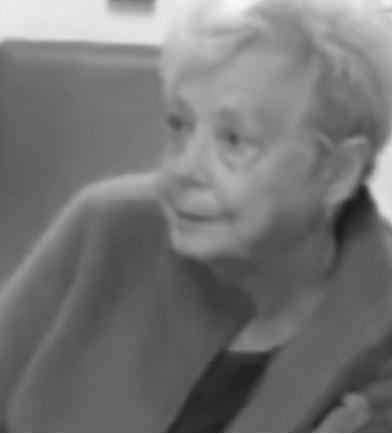
Appear with or without tears
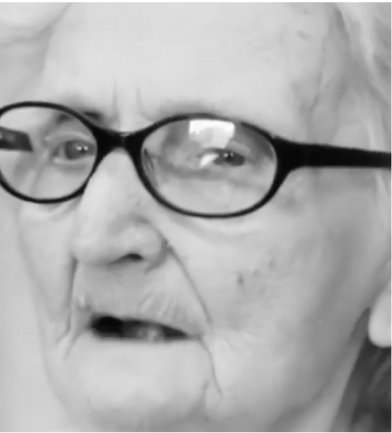
Sound noiseless or quiet
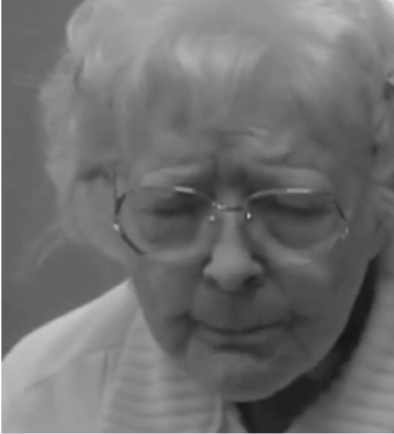
Sound noisy with increasing volume
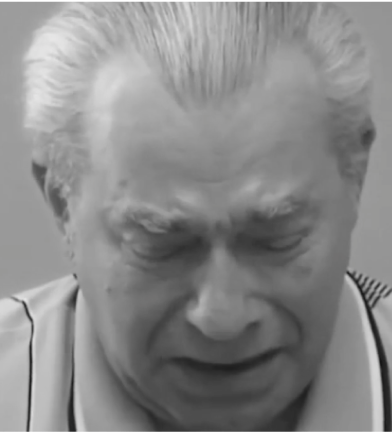
Appear with or without grimacing

Appear as uncontrollable laughter
Nurses and other staff members may also describe your patient’s symptoms in different ways. Look for some of the following terms in patient charts that may suggest PBA3,4,6:
- Emotional incontinence
- Emotional lability
- Inappropriate affect
- Involuntary expression
- Mood incongruence
- Pathological laughing and crying
- Sudden or emotional outbursts of laughing or crying
If you recognize these symptoms in your patient and confirm PBA, learn more about dosing and treatment with NUEDEXTA.
dosing & treatment-
References:
1.
Sauvé WM. Recognizing and treating pseudobulbar affect. CNS Spectr. 2016;21(S1):34-44. doi:10.1017/S1092852916000791
-
2.
Kekere V, Qureshi D, Thanju A, Fouron P, Olupona T. Pseudobulbar affect mimicking depression: a case report. Cureus. 2022;14(6):e26235. doi:10.7759/cureus.26235
-
3.
Nuedexta. Package insert. Otsuka America Pharmaceutical, Inc.; 2022.
-
4.
Hammond FM, Alexander DN, Cutler AJ, et al. PRISM II: an open-label study to assess effectiveness of dextromethorphan/quinidine for pseudobulbar affect in patients with dementia, stroke or traumatic brain injury. BMC Neurol. 2016;16:89. doi:10.1186/s12883-016-0609-0
-
5.
Centers for Disease Control and Prevention. ICD-10-CM tabular list of diseases and injuries. Accessed June 12, 2024. https://ftp.cdc.gov/pub/health_statistics/nchs/publications/ICD10CM/2022/icd10cm-tabular-2022‑April‑1.pdf
-
6.
Miller A, Pratt H, Schiffer RB. Pseudobulbar affect: the spectrum of clinical presentations, etiologies and treatments. Expert Rev Neurother. 2011;11(7):1077-1088. doi:10.1586/ern.11.68

Copay savings card
Share this card with your eligible patients to help them save on their NUEDEXTA prescription and refills.